Learning to read piano sheet music can feel overwhelming at first. I’ve taught beginners of all ages—children, teens, and adults returning to music after decades—and I can assure you: reading music is not a talent. It’s a skill. And like any skill, it becomes simple when broken into clear steps.
In this guide, I’ll walk you through the exact method I use in my classroom to help beginners read piano sheet music confidently.
Contents
- 0.1 Step 1: Understand the Musical Staff
- 0.2 🎼 Same title: How to Read Piano Sheet Music for Beginners (Step
- 0.3 Step 2: Find Middle C (Your Anchor Point)
- 0.4 Step 3: Understand Note Values (Rhythm Basics)
- 0.5 Step 4: Understand Time Signatures
- 0.6 Step 5: Learn About Measures and Bar Lines
- 0.7 Step 6: Recognize Key Signatures (Don’t Panic)
- 0.8 Step 7: Watch for Dynamics and Expression
- 1 How to Practice Reading Sheet Music Effectively
- 2 Common Mistakes Beginners Make
- 3 Final Advice From a Long-Time Teacher
Step 1: Understand the Musical Staff
At the foundation of sheet music is something called the staff.
A staff consists of:
-
5 lines
-
4 spaces
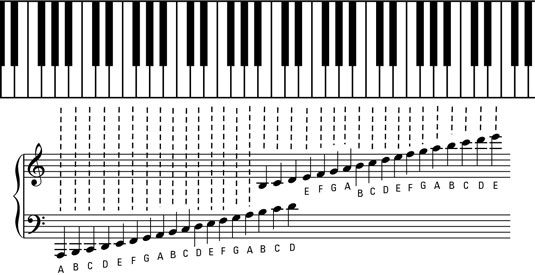
For piano, we use something called the grand staff, which includes:
-
Treble clef (top staff – usually right hand)
-
Bass clef (bottom staff – usually left hand)
Think of it as two reading lanes:
-
Right hand reads higher notes
-
Left hand reads lower notes
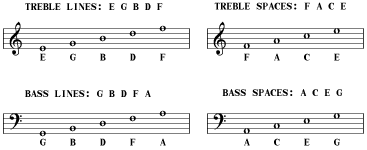
The lines and spaces represent different musical pitches. Each line and each space has a name.
Quick Memory Tip I Teach My Students
Treble clef lines (bottom to top):
E – G – B – D – F
Phrase: Every Good Boy Deserves Fun
Treble clef spaces spell:
F – A – C – E
Bass clef lines:
G – B – D – F – A
Phrase: Good Boys Do Fine Always
Bass clef spaces:
A – C – E – G
Don’t rush this step. Every confident reader I’ve taught mastered this first.
Step 2: Find Middle C (Your Anchor Point)
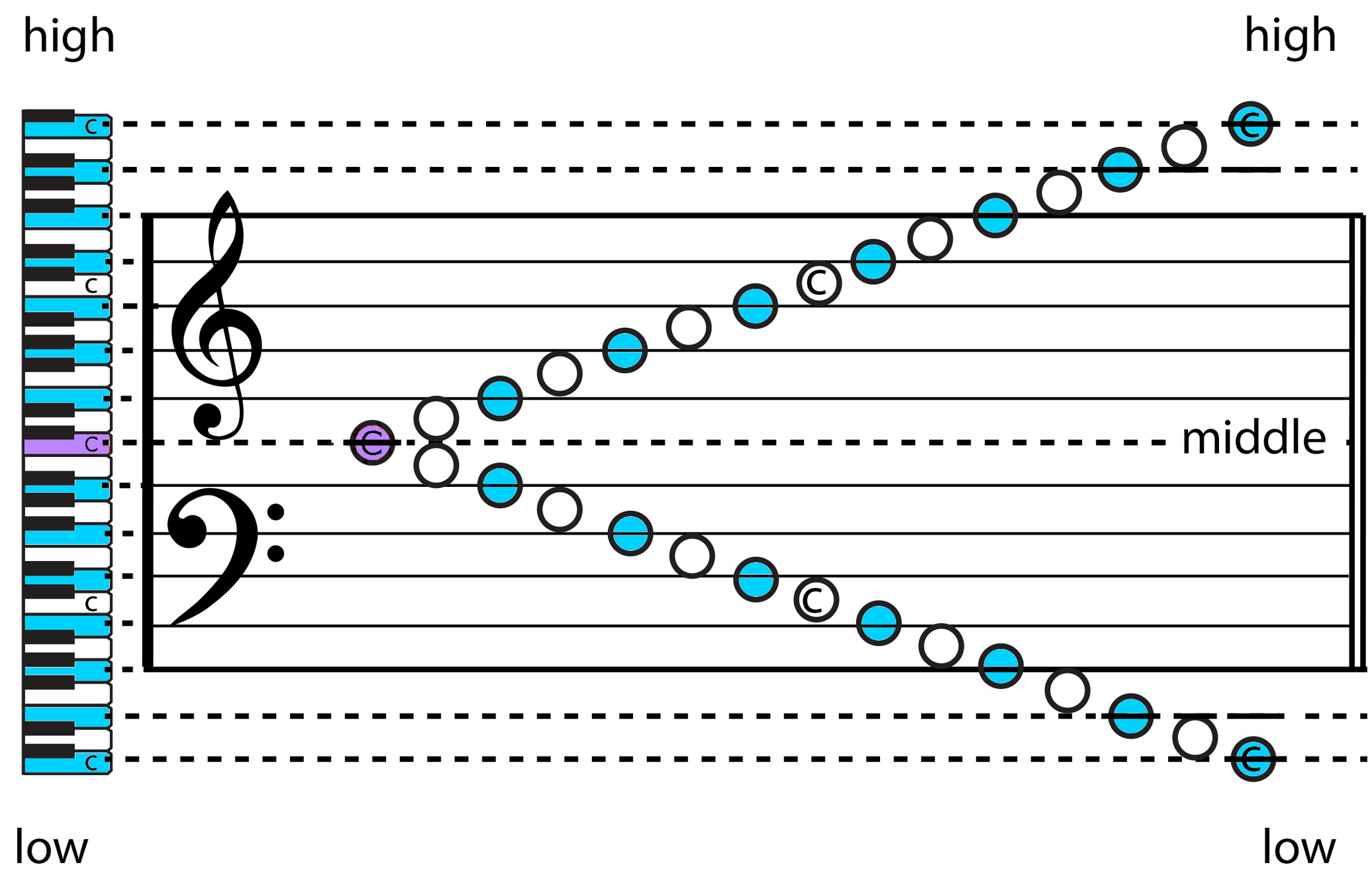
If there is one note you must know instantly, it’s Middle C.
Why?
Because it connects:
-
The treble clef
-
The bass clef
-
Your keyboard position
On the piano:
-
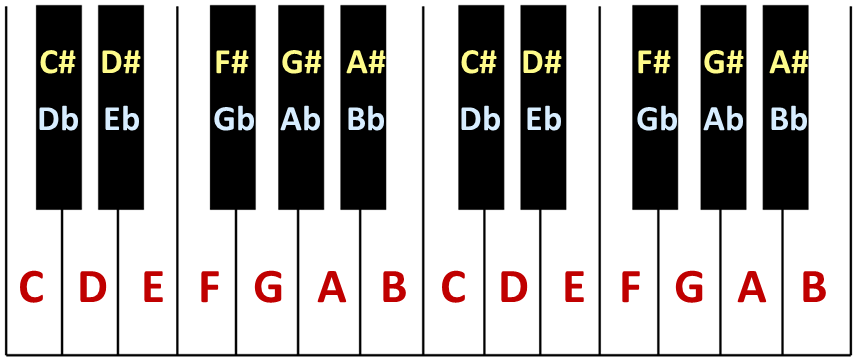
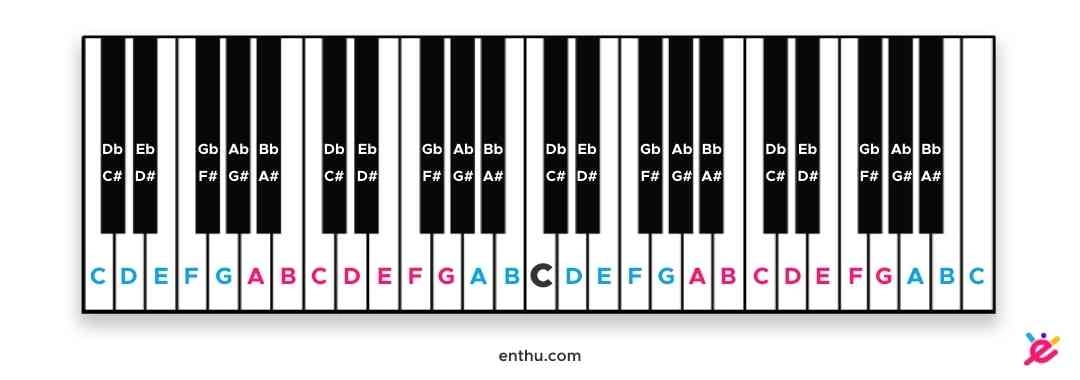
Middle C is the white key just to the left of the group of two black keys near the center.
On the staff:
-
It sits between the treble and bass clef.
-
It often has a small extra line (called a ledger line).
In my classroom, I always start beginners with “Middle C position” because it builds confidence quickly.
Step 3: Understand Note Values (Rhythm Basics)
Reading music is not just about pitch. It’s also about rhythm.
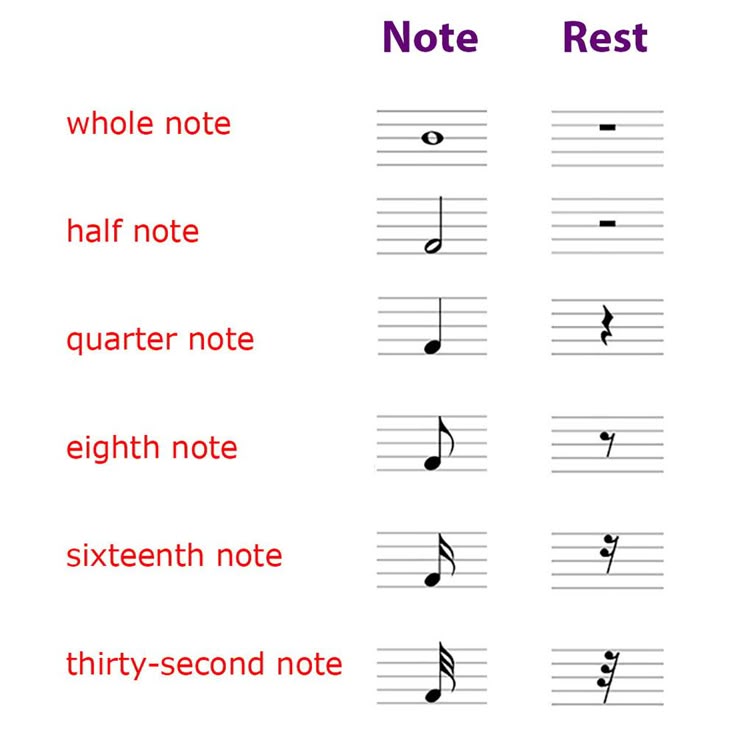
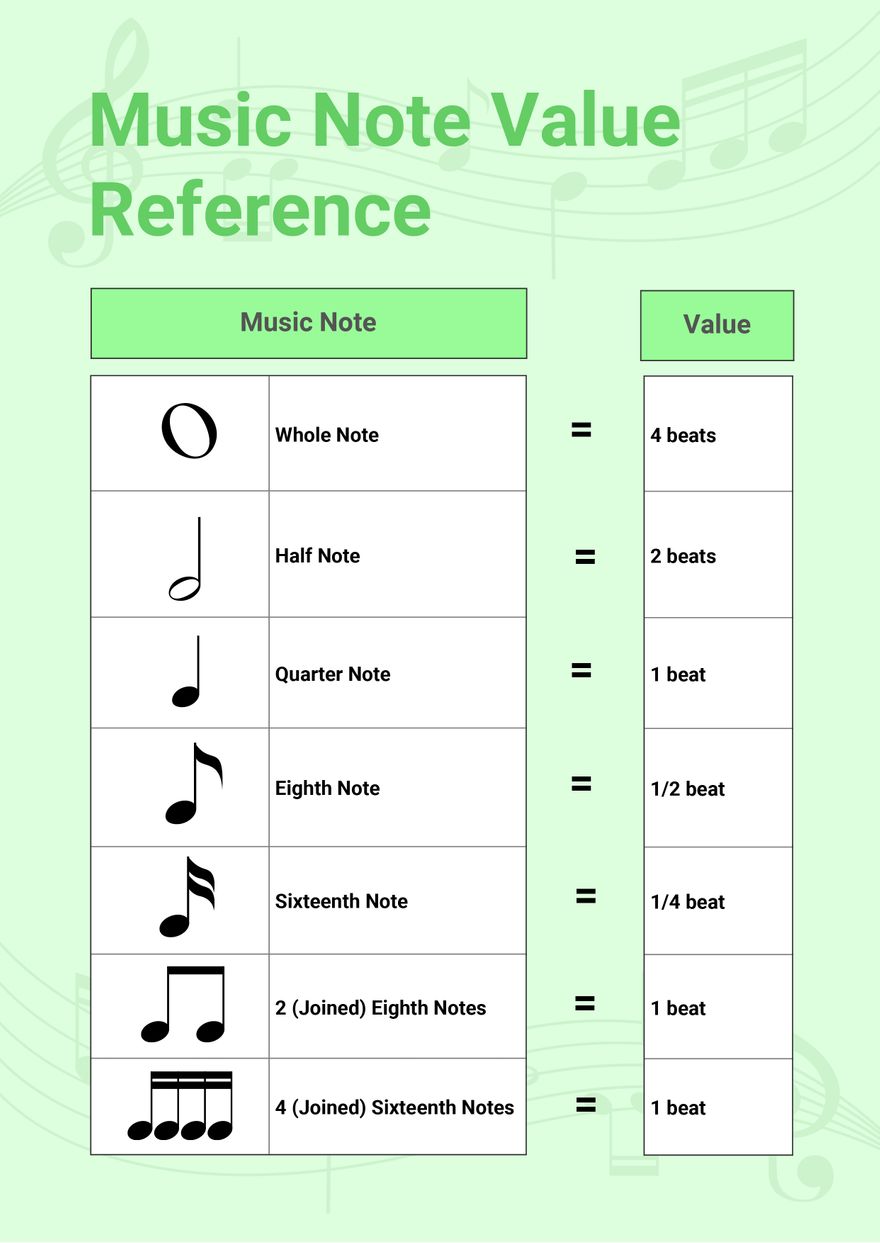
Here are the core note values every beginner must learn:
-
Whole note – 4 beats
-
Half note – 2 beats
-
Quarter note – 1 beat
-
Eighth note – 1/2 beat
I teach rhythm using counting aloud:
-
Quarter notes: “1 – 2 – 3 – 4”
-
Eighth notes: “1 & 2 & 3 & 4 &”
Clapping rhythms away from the piano first dramatically improves reading speed. Many beginners try to play before they can count. That slows progress.
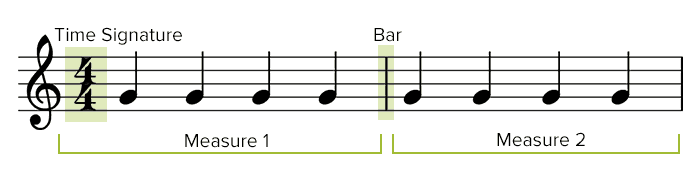
Step 4: Understand Time Signatures
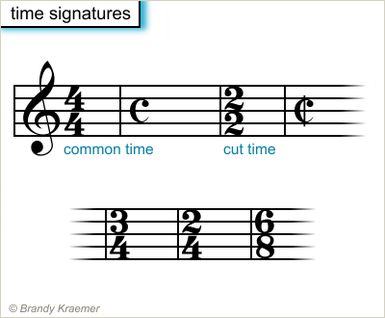
At the beginning of every piece, you’ll see a fraction-like symbol.
This is the time signature.
Example:
4/4 time
-
Top number = beats per measure
-
Bottom number = note value that gets one beat
So 4/4 means:
-
4 beats per measure
-
Quarter note gets one beat
Another common one is 3/4 time (used in waltzes).
I always tell students:
The time signature tells you how to count before you even play the first note.
Step 5: Learn About Measures and Bar Lines
Music is divided into small sections called measures.
Bar lines separate these measures.
Why this matters:
-
It organizes rhythm
-
It prevents over-counting
-
It helps you track where you are
When students get lost, I often say:
“Find your measure. Reset. Count again.”
Structure reduces anxiety.
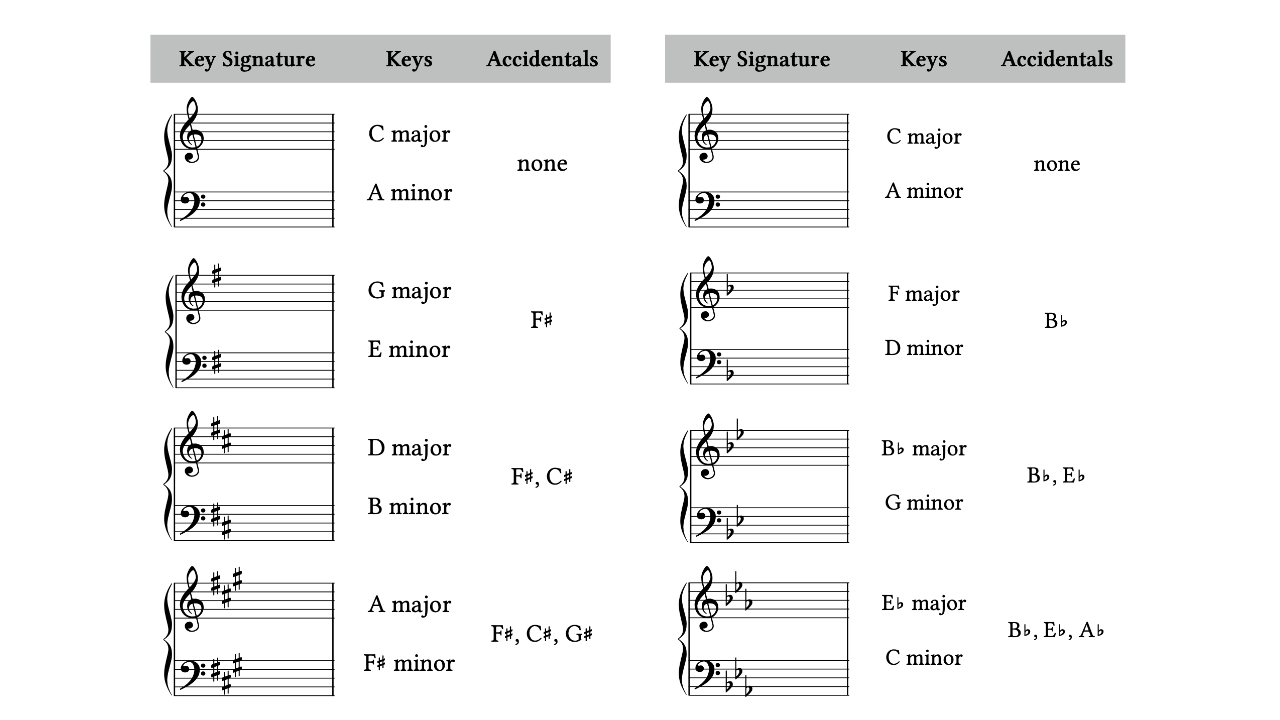
Step 6: Recognize Key Signatures (Don’t Panic)
Right after the clef, you may see sharps (#) or flats (♭).
That’s the key signature.
For beginners:
-
No sharps or flats → Key of C major
-
One sharp → Likely G major
-
One flat → Likely F major
At the early stage, focus on simply noticing:
“Which notes are always sharp or flat?”
Advanced theory can come later.
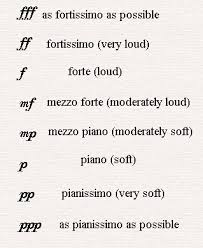
Step 7: Watch for Dynamics and Expression
Music is not just correct notes. It’s expression.
You’ll see symbols like:
-
p = soft
-
f = loud
-
mf = moderately loud
-
crescendo (<) = gradually louder
I tell my students:
Notes are the words. Dynamics are the emotion.
Even beginners can play musically when they follow dynamic markings.
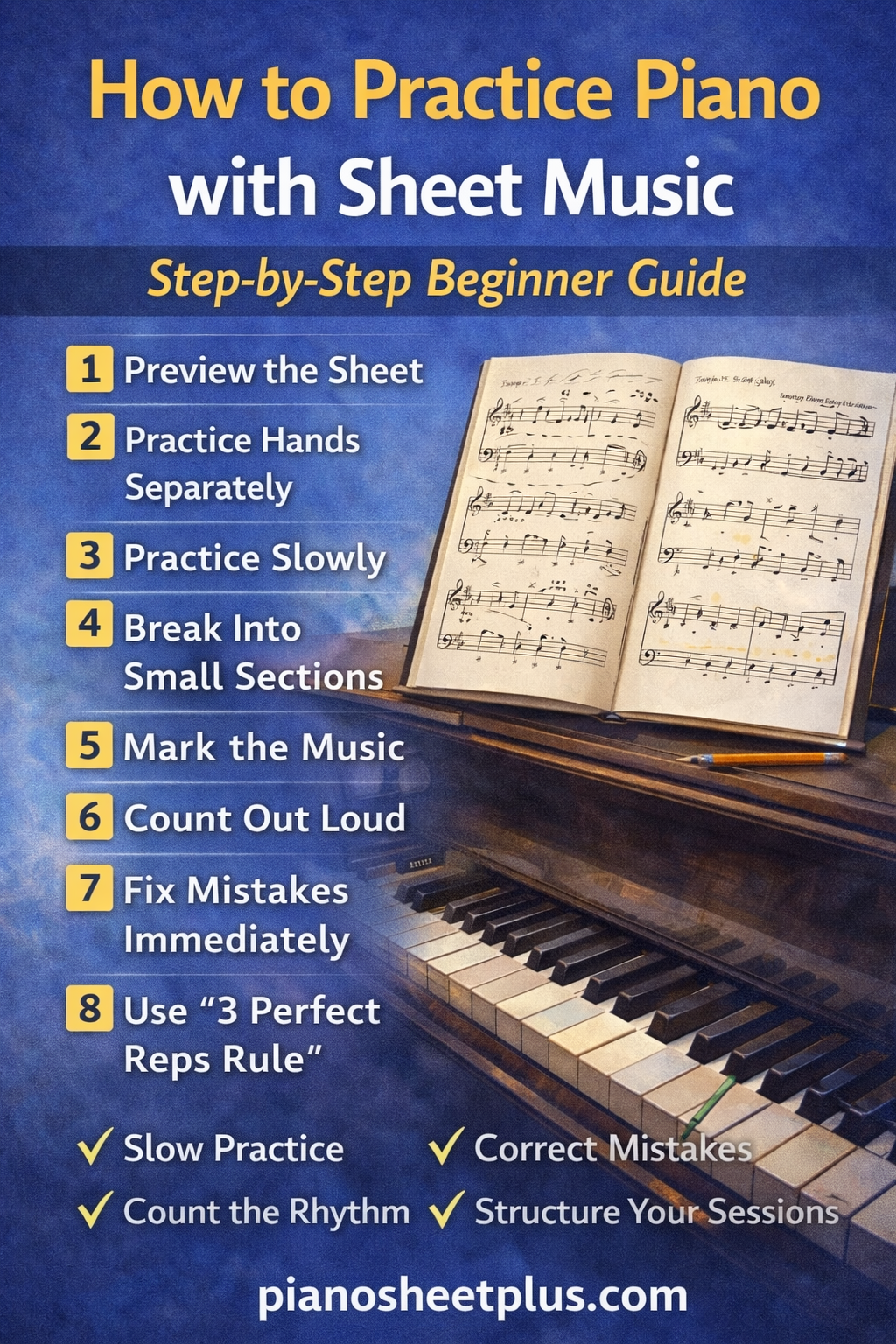
How to Practice Reading Sheet Music Effectively
After years of teaching, I’ve seen consistent patterns in successful students.
✅ Practice Slowly
Speed comes later. Accuracy first.
✅ Look Ahead
Train your eyes to read slightly ahead of your fingers.
✅ Hands Separate First
Especially for beginners. Build coordination gradually.
✅ Read Daily (5–10 Minutes)
Consistency beats long, rare practice sessions.
Common Mistakes Beginners Make
-
Looking only at their hands
-
Ignoring rhythm
-
Playing too fast
-
Skipping counting aloud
-
Avoiding harder measures
The fastest learners are not the most talented. They are the most patient.
Final Advice From a Long-Time Teacher
Reading piano sheet music is like learning a new language.
At first:
-
You translate letter by letter.
Later:
-
You recognize patterns instantly.
Eventually:
-
You read phrases naturally.
If you practice even 10 minutes daily, you will see noticeable improvement in just a few weeks.
And remember — every skilled pianist once struggled to read their first note.