Contents
Why Learning Piano on Your Own Is Hard — And Why You Can Absolutely Still Do It
“I’ve been trying to learn piano by myself for three months and I feel like I’m going nowhere. Is it just me?”
I get some version of this message at least once a week. And my answer is always the same: No, it’s not just you — but the reasons might surprise you.
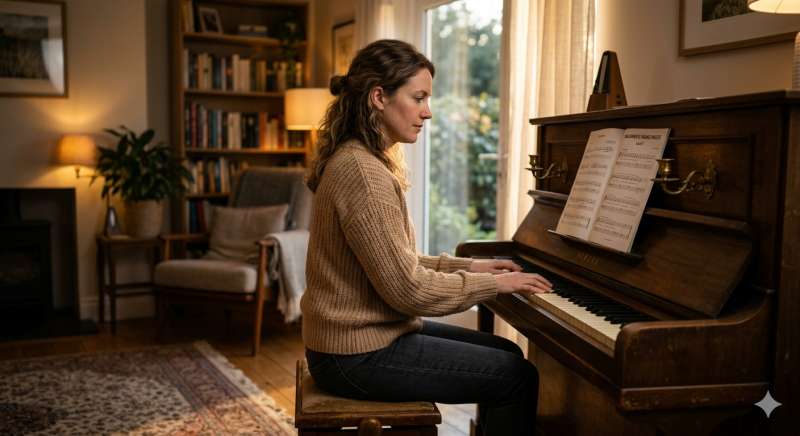
Self-teaching piano is a solo journey — but it doesn’t have to feel lonely.
Over two decades of teaching, I’ve watched hundreds of complete beginners sit down at the piano for the first time. Some had formal lessons with me. Others tried to teach themselves first and arrived at my door frustrated and halfway to quitting. And a smaller group — a group I deeply respect — figured it out entirely on their own and never needed me at all.
What separated them wasn’t talent. It wasn’t even how many hours they practiced. It came down to whether they understood why self-teaching piano is genuinely difficult — and what to do about each obstacle.
So let’s talk about it honestly. No hype, no “anyone can do it in 30 days” nonsense. Just the real picture, from someone who has spent twenty years on both sides of the piano bench.
The Real Reasons Self-Teaching Piano Is Hard
When beginners say learning piano is hard, they usually point to obvious things like reading sheet music or using both hands. But in reality, those aren’t the deepest problems.
1. You Don’t Know What You Don’t Know
This is the biggest hidden problem. You can practice wrong technique for weeks without realizing it.
2. Nobody Corrects Your Bad Habits
Bad habits form quickly and take much longer to fix.
3. The Learning Path Is Overwhelming
Too many resources lead to confusion and lack of progress.
Key insight: Pick one method and stick with it for at least a few months.
4. Progress Feels Invisible
Your brain is improving even when it doesn’t feel like it. Plateaus are normal.
5. Piano Requires Complex Coordination
Both hands doing different things is naturally difficult.
Why Teaching Yourself Piano Is Achievable
You Have More Resources Than Ever
Apps, YouTube, and online tools make learning easier than ever.
30 Minutes a Day Is Enough
Consistency beats long sessions. Daily practice works best.
Play Songs You Love
Motivation comes from music you enjoy.
Things Get Easier Suddenly
Progress often comes in “click” moments.
Practical Tips
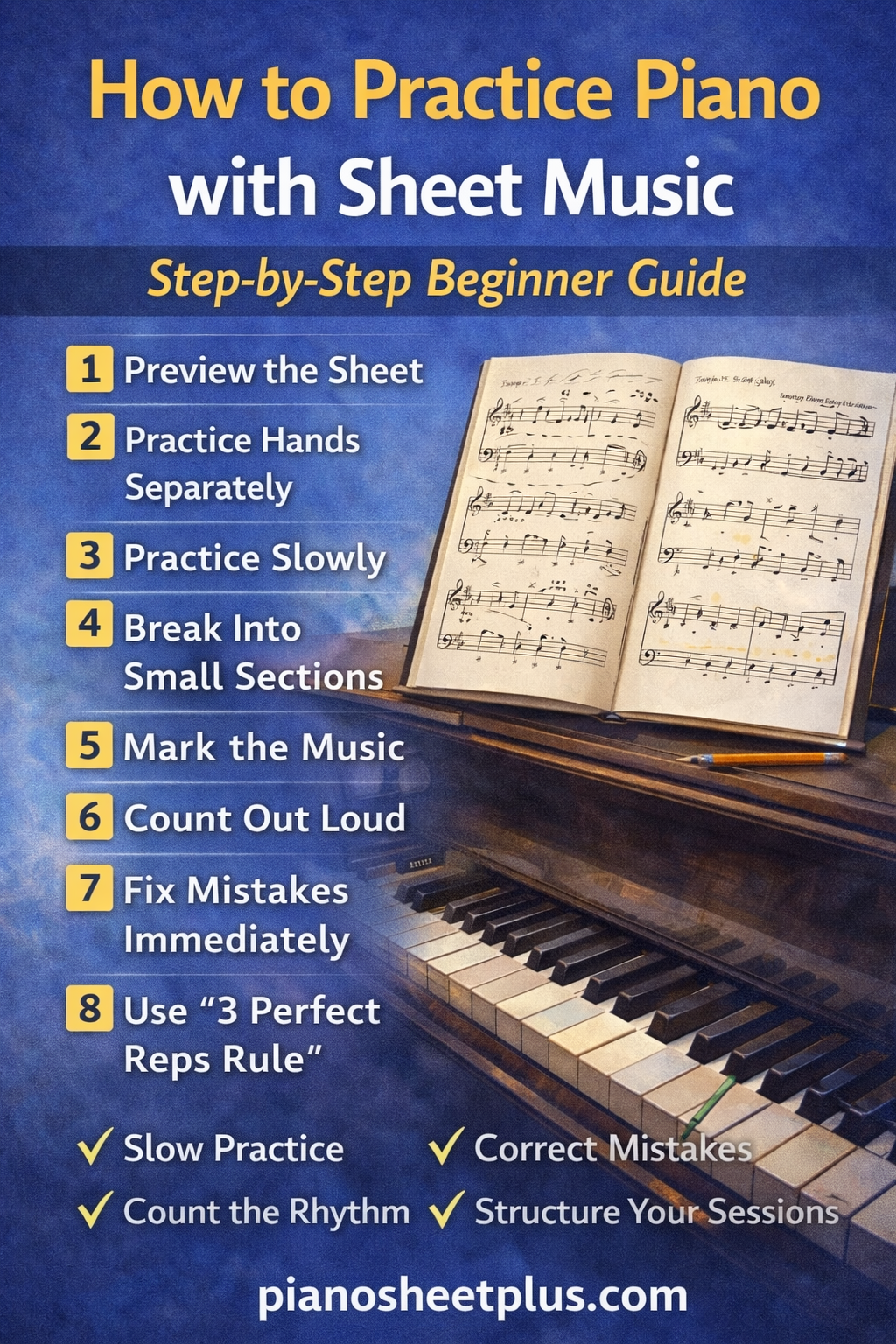
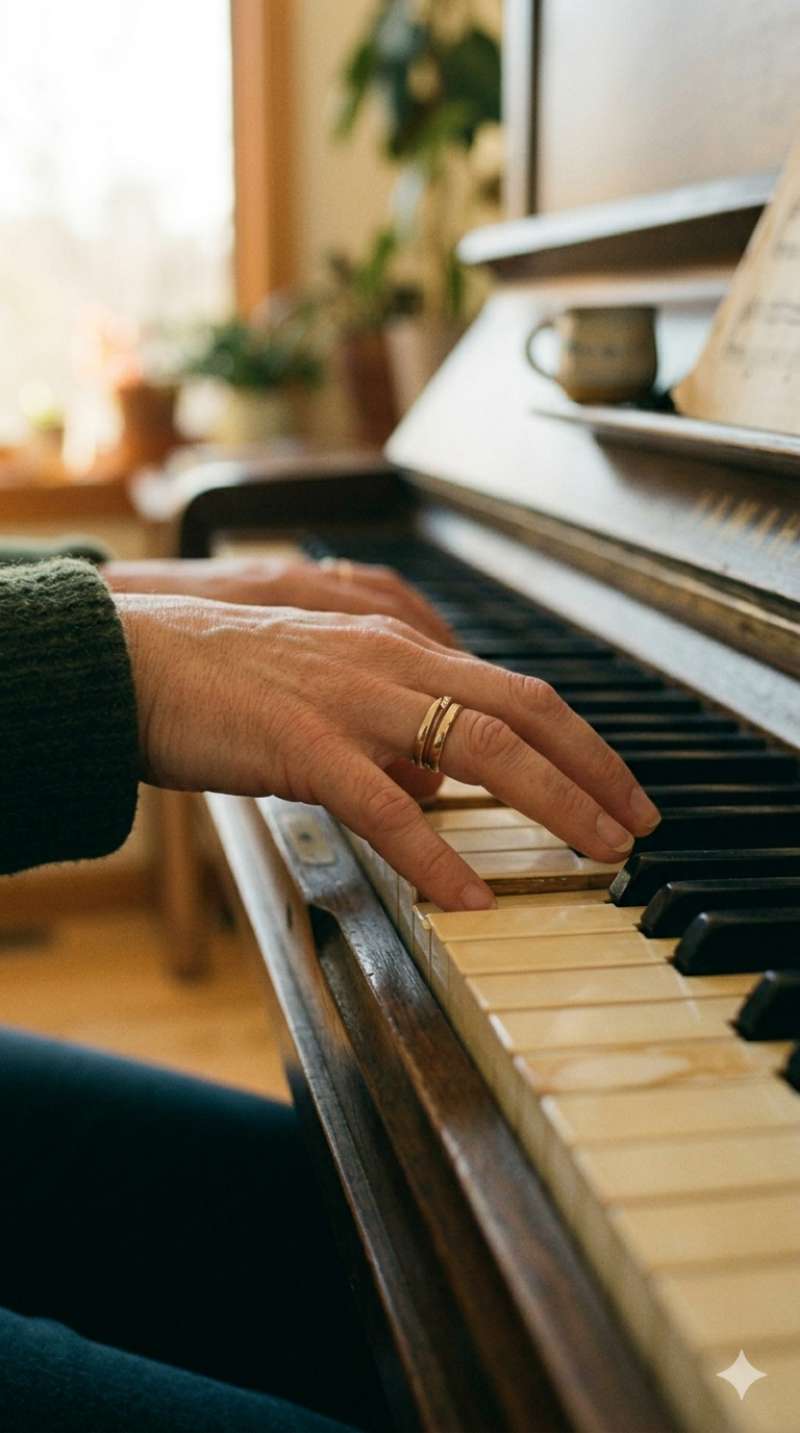
Fix your posture before playing.
Use a metronome.
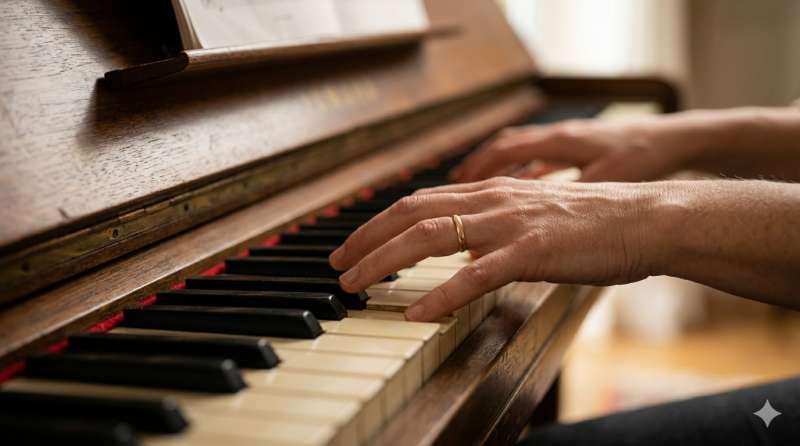
Practice hands separately.
Record yourself.
Stick to one method.
Set clear goals.
Frequently Asked Questions
Can a beginner learn piano alone?
Yes — with structure and consistency.
How long does it take?
3–6 months for basic songs, 1–2 years for intermediate level.
Do I need theory?
Learn it alongside playing.
Is it too late?
No — adults can learn very effectively.
Best app?
Simply Piano and Flowkey are good options.
How much practice?
20–30 minutes daily is enough.
The Bottom Line
Learning piano alone is hard — but absolutely possible.
The key is consistency, structure, and patience.
About this post: Based on 20 years of teaching experience.